Anatomical Gallbladder Graphics: Print Templates for Medical Creatives
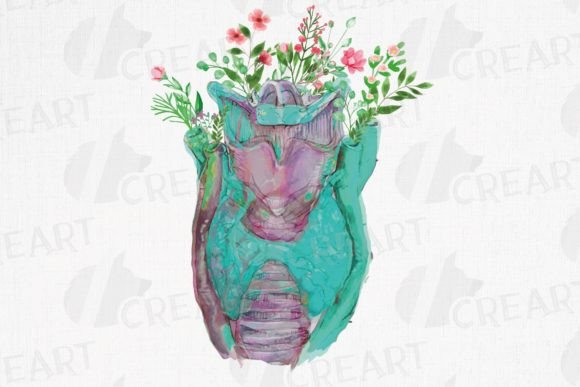
As a brand designer who’s built visual systems for health coaches, med-tech startups, and wellness publishers—and as a content marketer who’s A/B tested thousands of social graphics—I opened Anatomical Gallbladder Human Cholecyst expecting clinical sterility. Instead, I got something far more valuable: a floral anatomical red gallbladder decor design that balances scientific accuracy with artistic warmth. It’s not just medical clipart—it’s a graphic design asset calibrated for human-centered storytelling.
First Impression: Scientific Meets Soulful
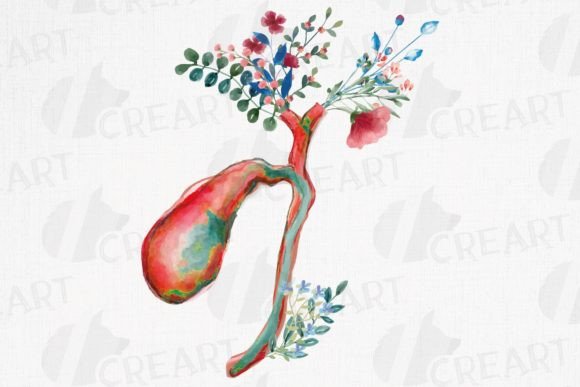
The moment it loaded in my design app, I felt the mood shift—calm but intentional, precise but approachable. The red gallbladder is rendered with botanical delicacy: soft petal-like contours around the organ, subtle vine motifs tracing the hepatic duct, and gentle negative space that invites typography or layered branding. It doesn’t scream “textbook”—it whispers “trusted expert.” That nuance matters. For audiences scrolling Instagram or browsing a digital product store, this Anatomical Gallbladder Human Cholecyst signals credibility without coldness—ideal for hepatologists launching a patient education course, a functional medicine blogger designing a lead magnet, or a holistic supplement brand refreshing its packaging inserts.
Where This Graphic Design Asset Earns Its Keep
In real campaigns, Anatomical Gallbladder Human Cholecyst shines where clarity meets character:
- Social media graphics: As a Pinterest pin for “gallbladder health tips,” it stops scrollers—its floral anatomy creates instant visual hierarchy against busy feeds.
- Printable design: Used in a downloadable “Liver & Gallbladder Cleanse Guide,” it anchors headers and section dividers while reinforcing thematic authority.
- Branded templates: Embedded in Canva templates for health practitioners, it adds instant niche recognition—no need to explain “what this is” before the message lands.
- Digital ads: On Facebook or Google Display, scaled at 60% opacity behind bold headline text, it adds depth without competing for attention.
- Editorial design: In blog headers or newsletter banners, it elevates medical content from utilitarian to memorable—especially when paired with clean sans serif fonts like Inter or Poppins.
It supports small business branding by doing heavy lifting: strengthening first impression, reinforcing subject-matter expertise, and building audience trust through consistent visual language. When your brand uses Anatomical Gallbladder Human Cholecyst across email banners, website headers, and Instagram story highlights, recognition compounds—not just of your logo, but of your niche fluency.
Smart Placement: Hero Spots Where It Performs Best
This printable design isn’t background noise—it’s a strategic accent. Use it most effectively in:
- Hero graphics for landing pages promoting digestive health programs
- Campaign headers for seasonal offers (e.g., “Spring Detox Bundle”)
- Branded content bundles—think PDF workbooks or printable trackers
- Packaging accents on supplement boxes or wellness kits
- Decorative brand elements on merch like tote bags or notebook covers
Its floral anatomy makes it surprisingly versatile: it reads as both modern design and timeless illustration—ideal for brands avoiding sterile minimalism or overused stock imagery.
Where to Proceed With Intention
Anatomical Gallbladder Human Cholecyst isn’t universal. Avoid deploying it in:
- Formal corporate branding (e.g., hospital system logos or investor decks)
- Dense information layouts where detail could distract from data or CTAs
- Small mobile graphics under 200px wide—fine lines blur, reducing impact
- Low-contrast backgrounds (e.g., light gray on white) where red loses vibrancy
- Overly minimal brands that rely on stark geometry—this piece thrives with breathing room
If your campaign centers on dense clinical data or urgent messaging (“Symptom Checklist” or “When to See a Doctor”), use it sparingly—as a subtle watermark or corner motif—not as the central visual.
Brand Designer Notes: Test Before You Trust
Before locking it into your brand system, run these practical checks:
- Test it against your full brand color palette—does the red harmonize or clash with your primary accent?
- Check black-and-white usage: does the floral structure hold up in grayscale for print or accessibility?
- Drop it into real campaign mockups—email headers, Instagram carousels, Canva templates—to assess balance and spacing.
- Preview on mobile: does the hepatic duct line remain legible at thumbnail size?
- Compare it side-by-side with top competitor visuals—is it distinctive enough to stand out?
- Pair it with your core fonts: it pairs beautifully with serif (Playfair Display), clean sans (Montserrat), and even restrained script (Cormorant Garamond)—but avoid competing handwritten styles.
- Confirm commercial license terms—this is essential for client work, paid ads, or any digital product you sell.
Because it’s delivered as a high-res PNG (and likely SVG in premium versions), it scales cleanly across marketing visuals, web design, and physical print—making it a true design bundle staple for creative entrepreneurs juggling multiple formats.
Why This Is More Than Clipart—It’s Brand Leverage
In today’s saturated content landscape, Anatomical Gallbladder Human Cholecyst isn’t just decoration—it’s shorthand for expertise. When a functional medicine coach uses it in a lead magnet, they’re not just sharing facts; they’re signaling deep domain knowledge with visual confidence. When a digital seller includes it in a creative marketplace bundle of anatomy-themed Canva templates, they’re meeting demand for commercial design that feels human, not robotic. And when a small business owner places it thoughtfully on packaging or a poster, they’re investing in professional branding that earns attention—and respect.
For marketers building trust, designers shaping identity, and creators scaling content, this graphics asset delivers more than aesthetics. It delivers alignment: between science and soul, precision and personality, education and engagement. That’s not just smart design—it’s strategic communication.