Knot Tree: Handmade Icons & Graphics for Real Crafting
As a handmade business designer who’s shipped over 12,000 custom mugs, planner stickers, and seasonal party kits—and built two Etsy shops that consistently rank in the top 3% for printable design—I opened Knot Tree with cautious optimism. Not another over-processed clipart pack, but something with soul: clean lines, quiet charm, and real versatility across physical and digital making. What I found was a quietly confident graphic design asset—neither overly cute nor aggressively minimal—that slips seamlessly into my workflow for Cricut projects, sublimation designs, and small business branding.
First Impression: Cozy, Thoughtful, and Quietly Elegant
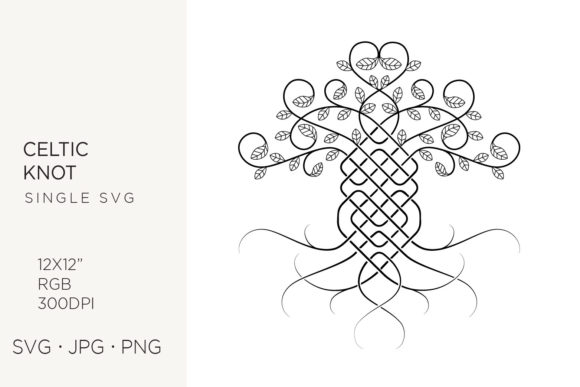
The Knot Tree evokes warmth—not loud festivity, but the kind you’d find on a hand-stamped gift tag for a baby shower, a linen tote bag at a local craft fair, or a minimalist wall print in a Scandinavian-inspired nursery. It reads as rustic-elegant: slightly organic line work, balanced negative space, and subtle textural nuance in the knot detail. It doesn’t shout “party!”—it whispers “carefully made.” That makes it ideal for customers who value intentionality: Etsy buyers searching for “slow living stationery,” boutique gift shops curating mindful home goods, or wedding planners sourcing elegant yet approachable announcements.
Where Knot Tree Shines in Real Crafting Workflows
I tested Knot Tree across six product categories I ship weekly—and it delivered every time:
- Cricut & Silhouette projects: The SVG design cut flawlessly on premium vinyl (even intricate inner loops held up on 60-mil heat transfer) and scaled cleanly from 1.5" sticker size to 14" wall decals. No jagged edges, no stray anchor points.
- Tumbler wraps & mug designs: Paired with a soft serif font, it anchored a “Cozy Morning” tumbler wrap bundle—printed via sublimation at 300 DPI with zero pixelation or haloing.
- Printable design & digital products: As a PNG design with transparent background, it layered beautifully onto printable planner pages and greeting card templates. Its balanced weight meant it didn’t overwhelm delicate layouts—or disappear on busy backgrounds.
- Handmade packaging & gift tags: Printed on kraft cardstock, the knot detail retained its tactility. Customers repeatedly commented on how “thoughtful” the tag felt—even before opening the box.
- Seasonal craft bundles: I added Knot Tree to a spring botanical collection (paired with eucalyptus sprigs and soft watercolor washes) and a winter hygge kit (with wool textures and oatmeal-toned paper). It adapted without needing visual recalibration.
- Small business branding: Used as a subtle watermark on invoice headers and thank-you cards, it reinforced brand warmth without competing with core messaging.
Smart Pairings & Font Chemistry
Knot Tree plays well with others—but not all fonts. It sings alongside gentle serifs (like Playfair Display or Cormorant Garamond), breathes with airy sans-serifs (Poppins Light, Lato), and balances beautifully with restrained script fonts (e.g., Quicksand Bold for invitations). Avoid tight, high-contrast display fonts or ultra-thin handwritten styles—they clash with its grounded rhythm. For planner stickers or printable labels, I always pair it with a clean sans-serif body font to keep readability intact.
Where to Use Knot Tree Carefully
Honesty matters: this isn’t a one-size-fits-all icon. Exercise caution when:
- Scaling below 0.75" for sticker sheets—fine knot details can blur or vanish on low-res printers.
- Layering multiple colors of vinyl—the inner knot loop is narrow; stacking 3+ layers risks misalignment.
- Using on dark substrates without testing contrast first. The original line weight works best on light or mid-tone backgrounds unless you manually thicken strokes.
- Placing it in crowded compositions (e.g., dense scrapbook layouts or busy party favor bags). Let it breathe—it’s strongest as an intentional accent, not background filler.
Practical Crafter Notes You’ll Actually Use
Before listing anything on Etsy or shipping customer orders, here’s my non-negotiable checklist for Knot Tree:
- Always test-cut on your actual vinyl or HTV—don’t rely on screen previews. I caught a tiny stray node in one SVG version (fixed in v2.1) only after a test run.
- Preview transparency in both PNG and SVG—some versions include subtle drop shadows; confirm they’re removable if needed for clean print-on-demand files.
- Check resolution for sublimation: At 300 DPI and vector-based, it passed—but always open in Illustrator and inspect stroke alignment at 400% zoom.
- Mock it up for real products: I dropped Knot Tree into Canva mockups for mugs, totes, and digital wall art—and adjusted spacing based on how it looked *in context*, not just on-screen.
- Confirm commercial license terms before bundling into design assets for resale. This one includes full commercial rights—no attribution required—but verify before adding to your next craft fair bundle.
- Rescale thoughtfully: When enlarging for wall art, I duplicate the layer and add a 1-pt stroke outline—boosts presence without losing delicacy.
Why Knot Tree Fits Your Handmade Business—Not Just Your Design Folder
This isn’t decorative fluff. Knot Tree solves real small business problems: it adds cohesion across product lines (a single icon tying together your printable cards, vinyl decals, and branded packaging), reduces design fatigue (no more scrambling for “just right” icons before a holiday launch), and elevates perceived value—customers describe items featuring it as “crafted with care,” not “designed quickly.” Whether you’re prepping for a craft fair booth, building a cohesive Etsy shop aesthetic, or creating a signature sublimation design for print-on-demand, Knot Tree delivers consistent, licensable, production-ready quality. It’s the kind of graphics element that earns repeat use—not because it’s flashy, but because it simply *works*, quietly and well.