Master Student Icon Clipart
A Designer’s First Glance: Clean, Calm, and Quietly Confident
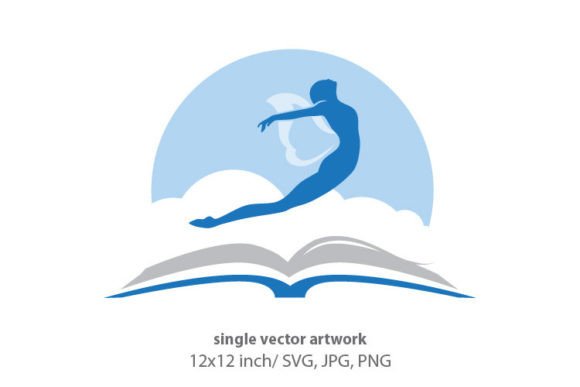
When I opened Master Student Icon Clipart, my first thought wasn’t “cute” or “trendy”—it was “this belongs on a linen tea towel in a quiet corner of a Montessori classroom.” It’s not flashy. There’s no gradient, no glitter, no exaggerated line weight. Just a balanced, centered icon—likely a stylized graduation cap or open book with subtle texture overlay—that reads as thoughtful, grounded, and intentionally uncluttered. As an embroidery designer who’s stitched hundreds of icons for Etsy sellers and boutique clients, I appreciate how rare it is to find something this minimal that still carries warmth. It doesn’t shout—it invites attention gently. That makes it ideal for products where subtlety signals care: baby onesies, teacher appreciation gifts, handmade aprons for small-batch bakers, or embroidered pillow covers for nursery decor.
How It Stitches: Simplicity That Holds Up Under Thread
I tested Master Student Icon Clipart on a custom embroidered tote bag for a local tutoring co-op—natural canvas, medium-weight, with light stabilizer. The design translated beautifully: clean satin stitch edges, even fill stitch density, and no bleeding or distortion, even at 3.2 inches wide. Because it’s minimalist, there’s little risk of dense stitching overwhelming the fabric—a real win for machine embroidery design on lightweight cotton tees or stretchy baby knits. On sweatshirt embroidery? It held up well when paired with a tear-away + cut-away hybrid stabilizer, though I’d avoid placing it directly over thick seams or ribbed cuffs without repositioning the hoop size slightly. For embroidered patch use, its clean outlines make it easy to digitize cleanly into a borderless applique design—or even adapt into a simple running stitch outline for hand-embroidery kits.
Where It Shines (and Where to Pause)
- Tote bag design: Looks intentional, not generic—perfect for academic gift shops or back-to-school launches.
- Baby embroidery: Gentle enough for onesies and burp cloths; avoids visual overload on delicate fabrics.
- Holiday embroidery: Works surprisingly well on minimalist Christmas stockings or “First Graduation” ornaments.
- Commercial embroidery: Scales cleanly from 2" patches to 5" chest placements—no pixelation or detail loss.
- Printable mockup: Renders crisply in both light and dark fabric previews, making product photography more trustworthy.
That said, Master Student Icon Clipart isn’t magic on every surface. On highly textured fabrics like bouclé or heavy terry cloth, fine details can blur—so test on scrap first. Avoid it on curved surfaces like structured caps unless you’re using a cap frame and adjusting tension manually. And while the texture overlay looks elegant in Photoshop, that same texture may translate into unnecessary stitch complexity if not optimized for embroidery. If your version includes dense micro-details (e.g., simulated paper grain), review stitch density closely—it could cause puckering on thin fabric or require extra stabilizer on dark fabric.
What It Says About Your Brand—Without Saying a Word
Using Master Student Icon Clipart quietly elevates perception. On an Etsy listing for personalized graduation gifts, it signals professionalism—not just “I made this,” but “I understand what thoughtful design feels like.” Customers notice the difference between a rushed clipart download and a considered digital embroidery file that respects negative space and rhythm. For craft business owners, that builds trust fast. A teacher buying embroidered notebooks with this icon doesn’t just get a logo—they get a quiet nod to lifelong learning. For handmade product sellers, it adds cohesion: pair it across tea towels, tote bags, and pillow covers, and suddenly you’ve got a mini-collection with visual integrity.
Practical Notes Every Embroidery Designer Should Check
Before stitching Master Student Icon Clipart into your next finished product, take these five minutes:
- Test on scrap fabric—especially if using stretchy, dark, or textured material.
- Check thread color contrast on both light and dark backgrounds; minimalist icons rely heavily on clarity.
- Review stitch density in your embroidery software—if it’s overly dense, reduce fill percentage by 5–10% for softer drape.
- Confirm hoop size compatibility—some versions may be sized for 4x4 hoops only, which limits placement options on larger items like blankets or aprons.
- Verify licensing before selling finished items or bundling into digital product previews—since it’s labeled as Graphics, double-check whether commercial use is included.
Also: try rendering it in black and white mockups. Does it retain personality? With Master Student Icon Clipart, it does—and that’s a strong sign it’ll hold up across mediums, from iron-on patches to printable wall art for classroom decor.
Final Thought: Less Is Anchored, Not Empty
This isn’t a “filler” icon. It’s a deliberate pause in visual noise. When used right—as part of a curated craft fair product, a small shop’s signature custom apparel line, or a heartfelt personalized gift—Master Student Icon Clipart becomes a quiet anchor. It doesn’t distract. It dignifies. And in embroidery, where every stitch carries intention, that kind of restraint is rare—and valuable.