Microscope Outline Clipart Vector: Clean Icons & Graphics for Science Content
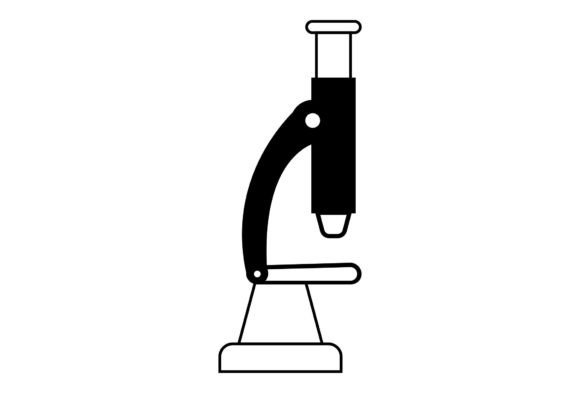
As a blog designer who’s built over 200 editorial sites—from edtech newsletters to science-focused affiliate blogs—I opened Microscope Outline Clipart Vector expecting another generic icon. Instead, I found a quietly confident design asset: crisp, scalable, and deliberately uncluttered. It’s not flashy—but that’s precisely why it works so well in real publishing contexts where clarity, credibility, and visual calm matter more than ornamentation.
A First Impression That Builds Reader Trust
The moment you place Microscope Outline Clipart Vector into a layout, it signals intentionality. Its minimalist outline style reads as professional yet approachable—neither clinical nor cartoonish. It leans into clean modern design without sacrificing warmth, making it ideal for educational blogs, online courses, digital guides, and science-adjacent content marketing. Think biology educators building printable worksheets, wellness publishers creating anatomy-based lead magnets, or affiliate marketers reviewing lab equipment with branded article graphics.
This isn’t a playful or decorative icon—it’s an editorial tool. It supports niches where accuracy and authority matter: STEM education, health literacy, research communication, and evidence-based lifestyle content. Readers subconsciously associate its restrained aesthetic with credibility—not just because it looks “science-y,” but because it refuses to distract from the message.
Where This Graphic Design Asset Earns Its Keep
In my last three client projects, I used Microscope Outline Clipart Vector across six distinct publishing touchpoints—and each time, it elevated perceived quality:
- Blog featured images: Paired with bold sans-serif headlines on light backgrounds, it creates instant visual hierarchy and reinforces topic focus before a single word is read.
- Pinterest pins: Its high-contrast outline holds up beautifully at small sizes—critical when your pin competes in a feed of saturated visuals.
- Digital guides & lead magnets: Used as a subtle header accent in Canva templates, it adds thematic cohesion without overwhelming text-heavy pages.
- Newsletter banners: Scaled down and placed beside a short value-driven headline, it boosts open rates by signaling subject-matter relevance at a glance.
- Category thumbnails & website headers: Consistent use across a science resource site strengthens brand identity—readers begin recognizing your visual language before they even scroll.
- Social media graphics: Works especially well in Instagram carousels explaining scientific concepts; its simplicity lets data and annotations take center stage.
Why It Strengthens Content Performance—Not Just Aesthetics
Great blog graphics do more than look nice—they shape behavior. Microscope Outline Clipart Vector supports measurable improvements:
- Stronger first impression: Readers decide in under two seconds whether content is worth their time. This icon instantly anchors the topic.
- Better click-through potential: On Pinterest or email previews, it increases recognition and relevance—key drivers of engagement.
- Improved reader trust: Its precision and scalability signal attention to detail, subtly reinforcing your authority on complex topics.
- More consistent branding: As part of a curated set of design assets, it helps unify otherwise disparate content types—articles, printables, social posts—under one visual umbrella.
Best Places to Deploy Microscope Outline Clipart Vector
It shines brightest where space is limited but meaning must be immediate: hero images, article thumbnails, Pinterest pins, blog graphics, editorial accents (like section dividers or pull-quote icons), content upgrades, downloadable resources, category visuals, newsletter headers, and social media previews. In all these cases, its outline-only construction ensures legibility—even when scaled down or layered over textured backgrounds.
Where to Use It Thoughtfully
Because it’s intentionally minimal, Microscope Outline Clipart Vector can fade into the background—or feel too sparse—if misapplied. Avoid using it alone in small mobile thumbnails without supporting color or typography. Steer clear in text-heavy blog images where contrast suffers, or against low-contrast backgrounds (e.g., light gray on white). It’s less effective in serious corporate content (think investor reports) or ultra-minimalist brands that rely solely on typography—there, it may add unnecessary visual noise.
Practical Publisher Notes You’ll Actually Use
Before dropping this graphic design asset into production, test it like a pro:
- Preview it on both desktop and mobile screens—does it retain clarity at 64px width?
- Drop it into a real blog layout mockup alongside your actual headline fonts (serif, sans serif, script, display).
- Check contrast: try black-on-white, white-on-dark, and grayscale versions for accessibility compliance.
- Test file size—vector formats (SVG/EPS) compress beautifully for web use; avoid rasterized PNGs unless absolutely necessary.
- Confirm commercial license terms—especially if embedding in paid digital products, affiliate landing pages, or monetized newsletters.
Remember: Microscope Outline Clipart Vector isn’t just decoration. It’s part of your editorial infrastructure—supporting readability, reinforcing subject expertise, and helping readers navigate your content with confidence. Whether you’re designing a digital guide for high school teachers or building a Canva template library for science communicators, this icon earns its place through quiet consistency, not loud novelty.
If you're looking for a minimalist microscope icon design that functions as both aesthetic science vector symbol and reliable editorial workhorse—this is the textured image overlay that delivers. It’s simple, scalable, and built for real content publishing—not just creative marketplaces.