Silhouette of a Flamingo Bird
A Clean, Confident Shape—But Does It Stitch Like It Looks?
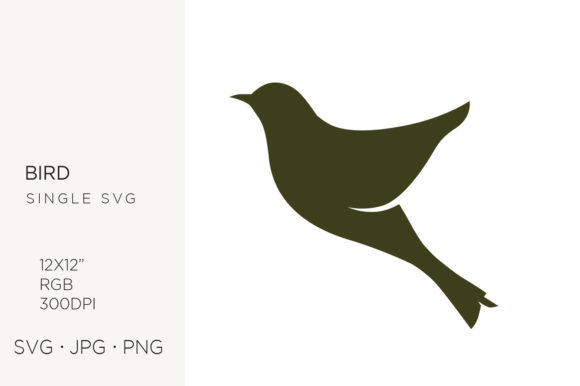
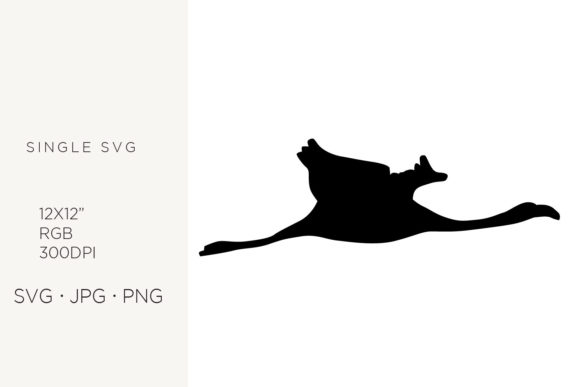
As someone who’s stitched flamingos on everything from linen tea towels to baby onesies—and rejected more than a few “cute” silhouettes mid-hoop—I opened Silhouette of a Flamingo Bird expecting charm, not complexity. What I found was a confident, single-contour profile: long neck arched, one leg lifted, beak pointed forward. No interior detail. No feather texture. Just pure, uninterrupted line. That simplicity is its strength—and its first real test.
First Impressions Matter—Especially on a Tote Bag at a Craft Fair
Last week, I prepped a batch of organic cotton tote bags for a local boutique launch. Their request? “Playful but polished—nothing too literal, nothing too busy.” I pulled up Silhouette of a Flamingo Bird and mocked it in navy thread on off-white canvas. Instantly, it read as intentional—not decorative filler. The curve of the neck balanced the negative space; the lifted leg gave motion without clutter. Customers paused. Smiled. Asked, “Is that hand-drawn?” (It’s not—but it *feels* like it could be.) That’s the quiet power of a well-proportioned icon: it doesn’t shout. It invites.
Where This Silhouette Truly Shines
- Embroidered patches: Its clean outline holds up beautifully when cut and heat-applied—even on twill or denim. No tiny gaps to fray.
- Sweatshirt embroidery: On fleece or French terry, the shape reads clearly at 3.5–4 inches wide. No fill stitch needed—just satin or running stitch along the edge.
- Baby embroidery: Stitched in soft pastel thread on gauze or interlock knit, it’s gentle, gender-neutral, and ageless—not cloying or cartoonish.
- Printable mockups & digital product previews: As a Graphics asset, it scales crisply for Etsy listings, branding decks, or social media banners. No pixelation, no anchor points collapsing.
- Holiday or wedding gifts: Paired with minimalist typography (“Welcome Home,” “Mr. & Mrs.”), it adds personality without overwhelming sentiment.
Where to Proceed With Care
This isn’t a design that forgives improvisation. Its elegance depends on execution.
On stretchy fabric—like ribbed knits or lightweight jersey—stabilizer choice is non-negotiable. A medium-weight cutaway prevents the curve from distorting during stitching. On dark fabric, avoid light thread unless you’re layering underlay; the silhouette needs contrast to land. And on curved surfaces like caps or apron pockets, test the hoop placement first: the neck’s arc can pull if hooped too tightly near the crown seam.
Don’t force it into tiny lettering or dense background fills. It’s an Icons asset—not a motif meant to repeat or tile. At under 1.5 inches tall, the leg lifts and beak tip risk becoming indistinct. Likewise, skip it for high-wash items (like kitchen towels) unless you lock down stitch density and use polyester thread—it’s not built for aggressive agitation.
What It Adds to Your Finished Product—Beyond Aesthetics
When customers see Silhouette of a Flamingo Bird on a handmade product, they register intention—not just decoration. It signals that the maker chose *this* shape, *this* balance, *this* quiet confidence. That builds trust. For Etsy sellers, that translates to fewer “Is this custom?” messages and more “I’ll take two.” For small shop owners, it elevates shelf presence without screaming for attention. And for craft fair vendors? It becomes a conversation starter—not just a logo, but a mood anchor.
It also supports brand consistency across formats: same shape works as a stitched patch, a foil-stamped card, a vinyl decal on a mug, or a watercolor print in a nursery. That versatility is rare in single-element Graphics. Most icons sacrifice either clarity or character. This one keeps both.
Practical Embroidery Designer Notes—No Guesswork Needed
- Always test on scrap fabric first—especially if pairing with applique or layered text.
- Check thread color contrast before final hooping. A pale pink thread on blush linen may vanish; charcoal on oatmeal pops.
- Review stitch density—if your machine defaults to heavy underlay, reduce it. This silhouette doesn’t need reinforcement—it needs definition.
- Confirm hoop size early. At 4 inches wide, it fits standard 5x7 hoops comfortably—but verify clearance on curved garments.
- Inspect small details in your embroidery software: does the beak tip taper cleanly? Is the leg lift smooth—not jagged? If not, adjust node spacing before stitching.
- Test black-and-white mockups to gauge visual weight. If it disappears against dark backgrounds, add a subtle drop shadow—or switch to reverse applique.
- Compare light vs. dark fabric backgrounds in your design preview. Some silhouettes flatten on contrast extremes; this one holds up well, but verify.
- Use proper stabilizer: tear-away for stable wovens, cutaway for knits, and fusible for lightweight linens.
- Confirm licensing before selling finished items or bundling Silhouette of a Flamingo Bird into digital product kits. The description permits use in handmade craft items and printed paper goods—but always double-check scope for commercial embroidery or resale rights.
Final Thought: It’s Not Just a Shape—It’s a Design Decision
You don’t choose Silhouette of a Flamingo Bird because it’s trendy. You choose it because it says something specific—grace, balance, quiet joy—without saying much at all. In a market flooded with overworked motifs and pixelated downloads, it’s refreshingly resolved. Use it where restraint matters most: on a linen pillow cover for a boutique bedroom line, as a signature patch on a slow-fashion apron, or stitched simply on the chest of a unisex baby romper. Done right, it won’t just decorate your project—it’ll define its tone.