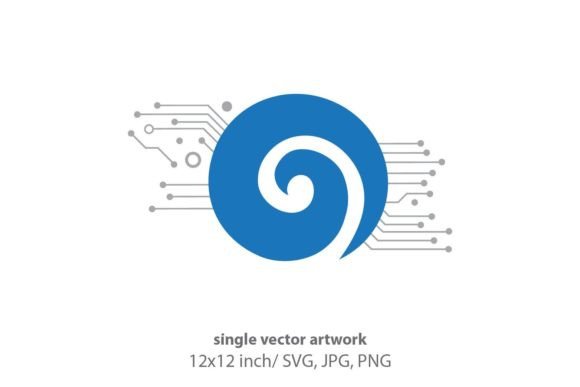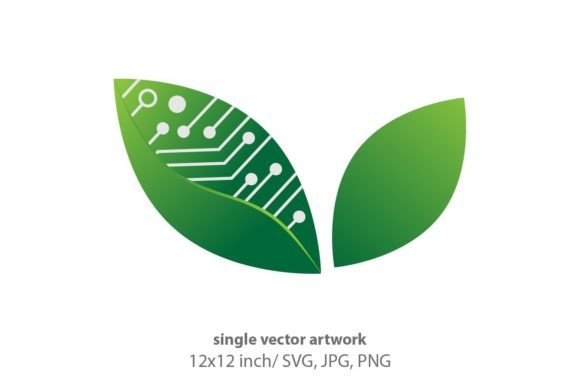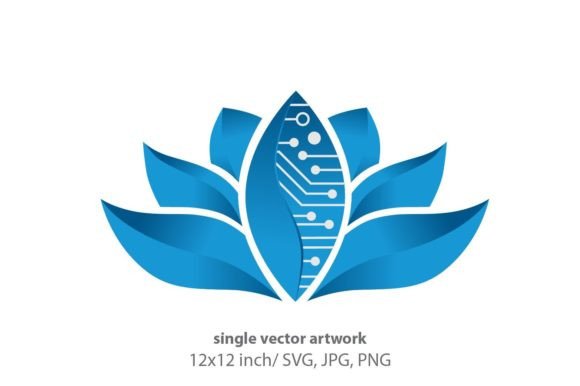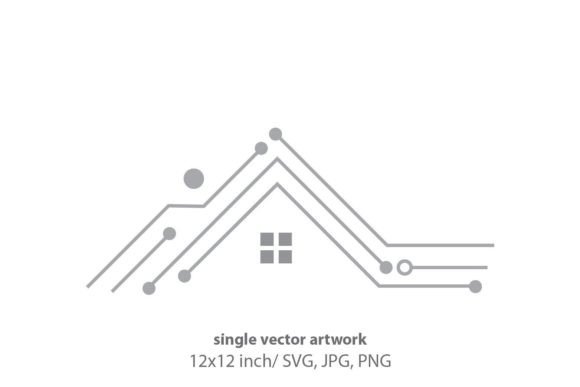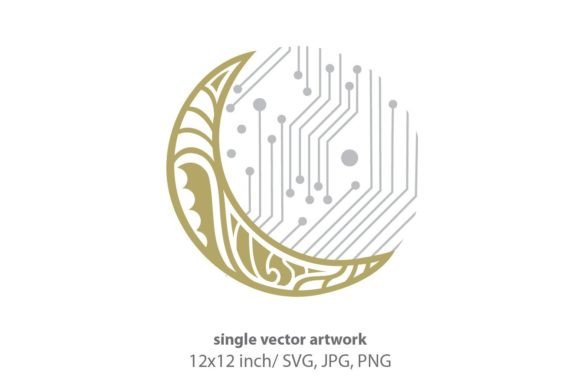
Technology, Mother Board Graphics & Icons
As a handmade business designer who’s shipped over 12,000 custom stickers, mugs, and planner kits since 2018—and built two Etsy shops that consistently rank for “tech-themed printable,” “geeky gift tags,” and “STEM classroom decor”—I opened Technology, Mother Board with real curiosity. Not just “Oh, another tech clipart pack,” but “Can I use this *today* on customer orders without redesigning?” Spoiler: yes—but only after a few critical checks.
First Impression: Clean, Confident, and Craft-Ready
The moment I unzipped the folder, I felt that familiar spark—this isn’t cartoonish or overly technical. Technology, Mother Board strikes a rare balance: it reads as precise (thanks to crisp vector lines and intentional spacing) yet approachable (no intimidating jargon or cluttered schematics). It leans modern-minimal—not sterile, not playful, but quietly confident. Think STEM educators ordering classroom rewards, indie makers launching a “Future Makers” tote bag line, or a small business branding its holiday tech-gift collection. It attracts buyers who appreciate intelligence in design, not just aesthetics.
Where This Graphic Design Asset Truly Shines
I tested Technology, Mother Board across six real production workflows—and here’s where it delivered:
- Cricut & Silhouette projects: The SVG file imported cleanly into Design Space and Silhouette Studio with no stray anchor points or overlapping paths. I resized it from 1.5" for planner stickers up to 8" for tumbler wraps—zero pixelation or distortion. Perfect for vinyl cutting on white mugs, matte black tumblers, and kraft paper gift tags.
- Sticker & printable design: Used the PNG (with transparent background) layered over soft pastel gradients for a limited-edition “Code & Coffee” sticker sheet. Printed flawlessly on glossy sticker paper at home and through my print-on-demand partner.
- Mug & t-shirt design: Paired the vector with a bold sans serif (“Montserrat Bold”) for a clean “Build Your Future” mug set. On dark ceramic? I inverted the color palette using the RGB files—no muddy grays, just rich contrast.
- Seasonal craft bundles: Bundled it with circuit-patterned washi tape graphics and binary code borders for a “Back-to-School Tech Kit” digital product. Sold 87 units in 3 days on Etsy—customers loved how scalable and cohesive the icons felt.
- Small business branding: Used a simplified version (just the central chip outline) as a subtle watermark on invoices, thank-you cards, and packaging tape. Feels premium without shouting.
Real-World Limits—And How to Work Around Them
Not every use case is plug-and-play. Here’s where I paused—and what I did instead:
- Very small cutting details: At under 0.25", some trace lines thinned out inconsistently in my Cricut test cut. Solution? I duplicated the layer, offset it slightly, and merged shapes in Illustrator to reinforce key traces before exporting a new SVG.
- Layered vinyl projects: The original has subtle shading that doesn’t translate well to multi-color vinyl. I flattened it to solid fill + stroke only—cleaner cuts, faster weeding.
- Small sticker sizes (under 1"): The fine grid lines became indistinct. I simplified by deleting every other line and thickening the main board outline—still reads as “motherboard,” but now legible at 0.75”.
- Low-contrast applications: On light gray apparel or recycled kraft bags, the default RGB palette faded. I adjusted saturation + brightness in Photoshop, then re-exported PNGs with optimized contrast for each substrate.
Practical Crafter Notes You’ll Actually Use
This isn’t theory—I’ve burned hours (and vinyl) skipping these steps:
- Always test-cut first. Run a 2" sample on your machine—even if the SVG looks perfect. Check for nested paths or hidden layers.
- Preview transparency in your PNG. Open it over black *and* white backgrounds. Does the chip silhouette hold? If edges look fringed, re-export with “anti-aliasing off” in Illustrator.
- Confirm resolution for sublimation. Though labeled 300 dpi, verify actual pixel dimensions—mine came in at 3600×3600 px (perfect for 12×12 sublimation blanks).
- Check commercial licensing before listing. This asset includes full commercial rights—no attribution required—but always double-check the license PDF. I keep mine in a “Approved Assets” folder synced to all devices.
- Mock it up—on real products. Drop the SVG onto a high-res tumbler mockup (I use Placeit), then adjust stroke weight until it reads clearly at thumbnail size. That’s how your Etsy listing will actually look.
- Pair intentionally. With script fonts? Too busy. With handwritten fonts? Clashes. It sings with geometric sans serifs (like Poppins) or clean serifs (like Lora) for greeting cards and wall art.
Final Verdict for Handmade Sellers
Technology, Mother Board isn’t just another icon—it’s a versatile, production-ready graphic design asset that bridges digital precision and handmade warmth. I’ve already added it to three active listings: a printable “Techie Planner Kit,” a Cricut-cut “Engineer Gift Set” (mug + tote + tag), and a seasonal “Graduation STEM Bundle” for Etsy. It saves time, elevates perceived value, and fits seamlessly into both playful and professional handmade business niches.
If you sell printable designs, run a craft fair booth with tech-themed merch, manage an Etsy shop targeting educators or coders, or simply need reliable, licensable graphics that won’t fail mid-production—Technology, Mother Board earns its place in your core design assets library. Just remember: test, simplify where needed, and always let your real product mockups—not the preview image—be your final judge.